


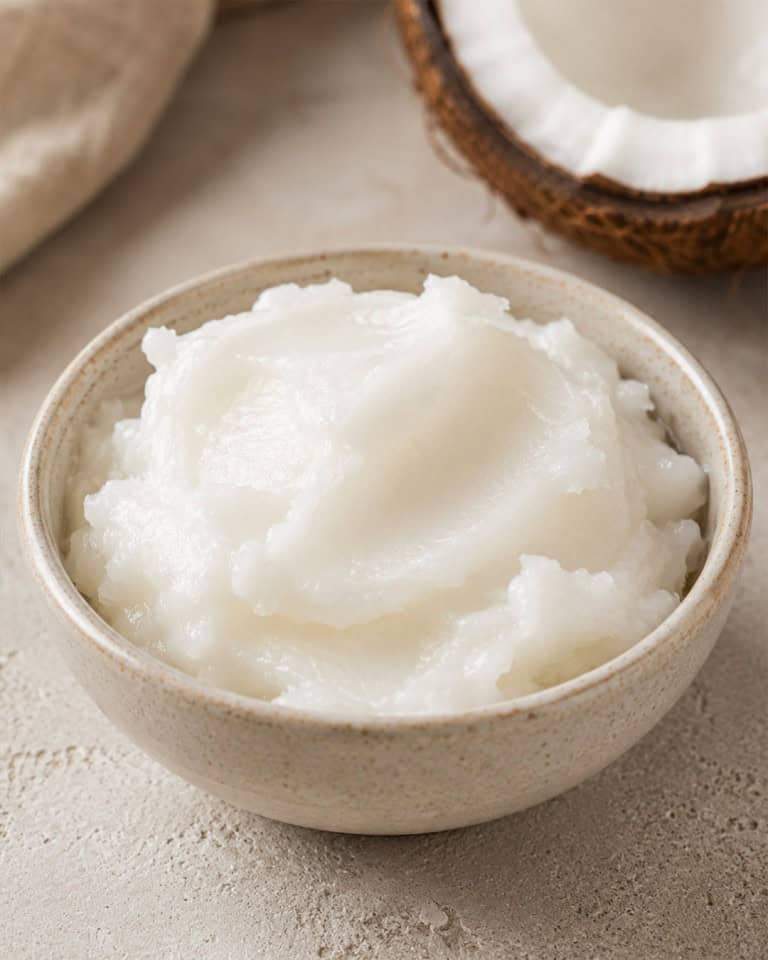
Coconut Oil
INCI Cocos Nucifera (Coconut) Oil
Overview
Pressed from the meat of the coconut, solid at room temperature and melting at close to body heat — the oil that gives our bar soaps their hardness and their quick, generous lather.
What it is
Coconut oil is pressed from the white meat inside a mature coconut. Its defining quality is that it sits right on the edge of solid and liquid: firm and white at room temperature, clear and thin at around 24°C, which is barely above a warm day. That is why it feels solid in the jar and disappears the moment it touches skin.
That behaviour comes from its makeup. Coconut oil is unusually rich in medium-chain fatty acids — roughly half of it is lauric acid, with caprylic and capric acids alongside. Most plant oils are dominated by longer chains, which is what makes coconut oil behave so differently from, say, olive or sunflower oil.
It is worth knowing that “virgin” and “extra virgin” are not regulated terms for coconut oil, unlike olive oil. The two labels mean the same thing, and neither is defined in law. What actually distinguishes one coconut oil from another is how it was pressed and whether it was refined.
Where it comes from and how it’s made
The coconut palm grows across the humid tropics, and most of the world’s supply comes from the Philippines, Indonesia, India and Sri Lanka.
There are two routes from coconut to oil, and the difference is real.
Virgin oil is pressed from fresh coconut meat. In the dry method the meat is quickly dried with gentle heat and then pressed; in the wet method fresh meat is pressed to yield both milk and oil, which are separated by centrifuge or fermentation. Either way the oil keeps the smell and taste of fresh coconut.
Refined oil starts from copra — coconut meat dried in the open air, often in the sun. Copra dried slowly in humid conditions can pick up mould, so the oil pressed from it is refined, bleached and deodorised before use. That sounds harsher than it is: the bleaching step is usually a clay filtration rather than any chemical treatment, and the deodorising is done with steam. The result is a clean, neutral oil with no coconut scent.
The part that surprises people: refining barely touches the fatty acids. Lauric, caprylic and capric acid survive it essentially unchanged, so both grades behave almost identically in a formula. What differs is the scent, the colour, and the price.
What it does in a formulation
In soap, coconut oil does two jobs no other common oil does as well. It makes a hard bar that lasts, and it produces a fast, full, bubbly lather. Olive oil makes a mild bar with a low creamy lather; coconut oil is what gives a bar its life. Once saponified it is no longer coconut oil at all but sodium cocoate, which is why it appears under that name on a bar soap label.
The same lauric acid that makes the lather so generous also makes coconut oil cleansing to a fault. A bar made from coconut oil alone would strip the skin, so it is always balanced — against olive and other softer oils, and with extra unsaponified oil left in the bar.
Outside soap it is used as an emollient: it melts on contact, spreads easily, and leaves a light film. In balms and body butters it contributes firmness in the jar without any wax.
Why Lovebee uses it
Coconut oil is one of the few ingredients we would call structural. It is not there for a claim on the label — it is there because without it a bar of soap is soft and a lather is thin. When we balance a soap recipe, coconut oil is the ingredient we are balancing everything else against.
We use it knowing exactly what it does well and where it needs company. Used alone it would be too much of a good thing, and getting that proportion right is most of what makes a bar feel the way ours do.
Good to know
- Solid below roughly 24°C and liquid above it. If your product arrives soft in July and firm in January, nothing is wrong — that is coconut oil doing what coconut oil does.
- Virgin oil carries a real coconut scent. Refined oil carries none, which is what we want where the fragrance should come from the essential oils instead.
- Coconut oil is often described as comedogenic, and many people find it too rich for the face while getting on with it perfectly well elsewhere.
- Vegan and entirely plant-derived.
- Very stable, thanks to its saturated fats. Stored cool and out of direct light it keeps well — virgin oil noticeably longer than refined.
- Not the same as fractionated coconut oil, which stays liquid at any temperature and contains no lauric acid at all.
Common questions
- Why has my product changed texture?
Almost always temperature. Coconut oil melts at around 24°C, so a warm room or a delivery van in summer is enough to soften a balm or a butter. It firms up again as it cools, and nothing is lost.
- What's the difference between coconut oil and fractionated coconut oil?
Fractionated coconut oil has had the longer-chain fats removed, so it stays liquid at any temperature and has no coconut scent. It also has none of the lauric acid that makes whole coconut oil so useful in soap. They are different ingredients with different jobs.
- Will coconut oil clog my pores?
It is often listed as comedogenic, and some people do find it too rich for facial skin. Others use it without any trouble. On the body it is far less commonly an issue.
Found in these products
SOLD OUT!
Butters, Creams, Lotions & Whips
From $18.00
Bundle Gift Boxes
Original price was: $119.00.$89.00Current price is: $89.00.
$15.00


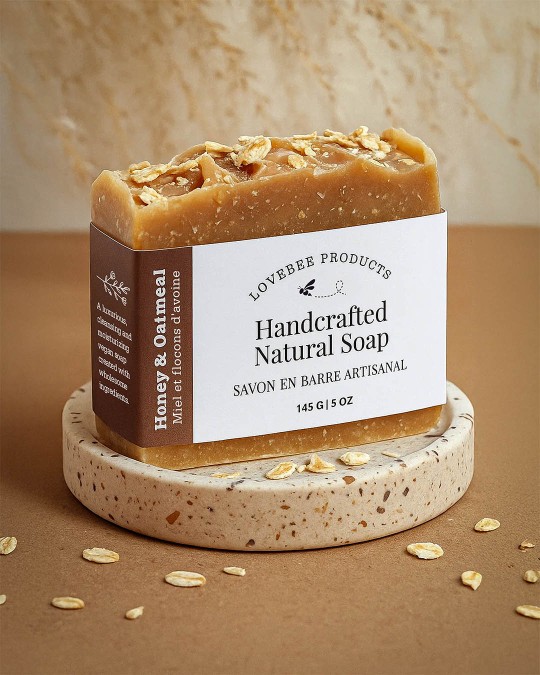
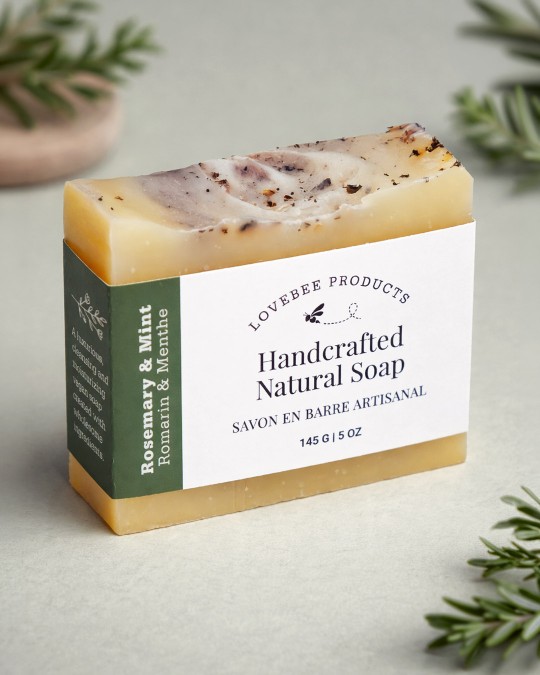
Soaps, Scrubs & Cleansers
$10.00
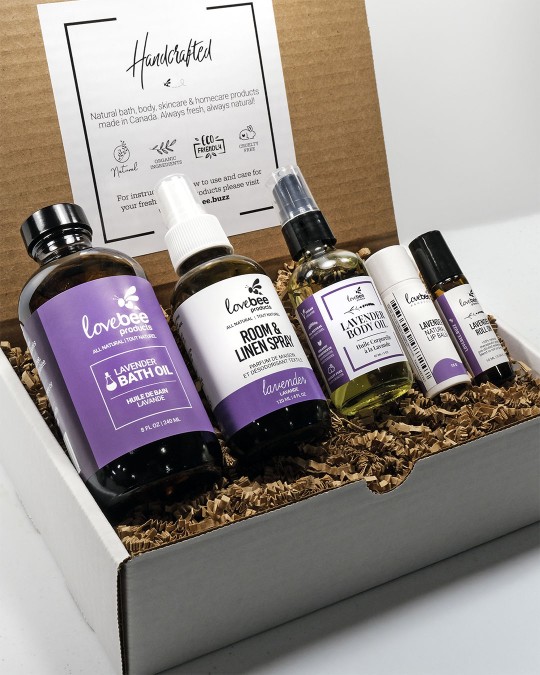
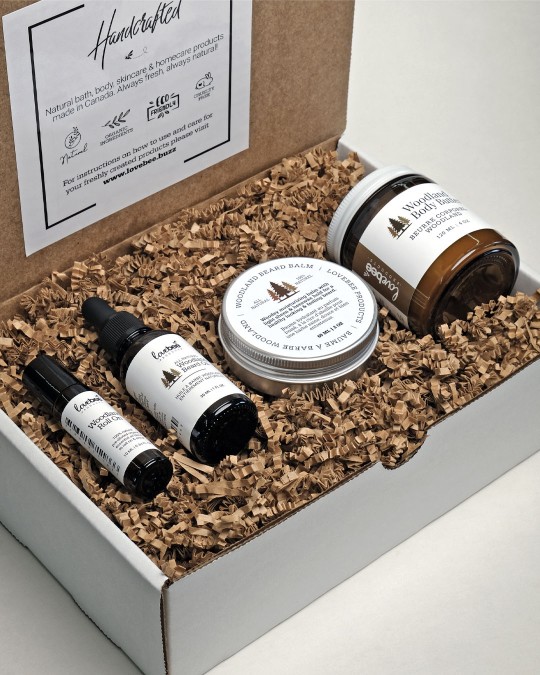
Bundle Gift Boxes
Original price was: $76.00.$57.00Current price is: $57.00.

Butters, Creams, Lotions & Whips
From $18.00
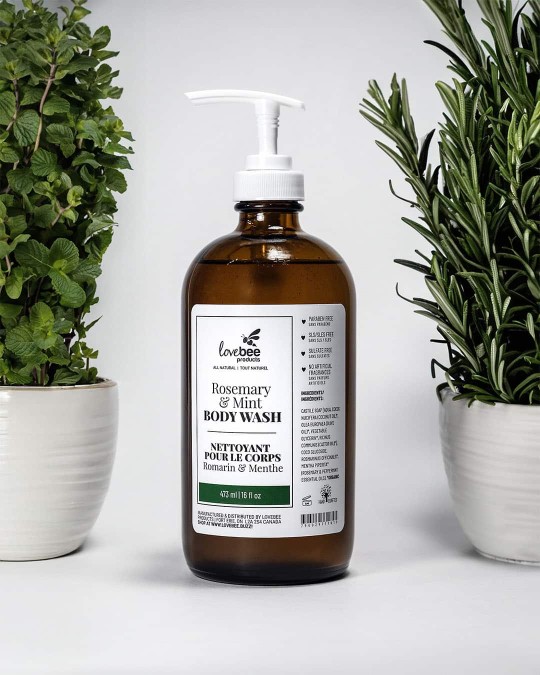
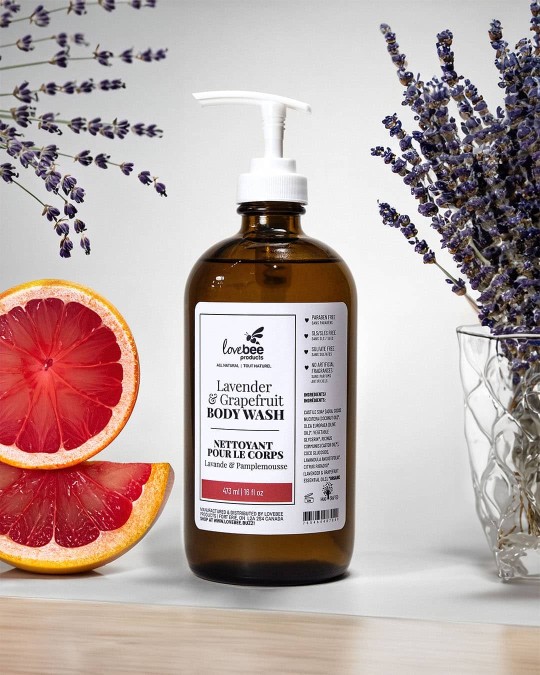
Soaps, Scrubs & Cleansers
From $28.00
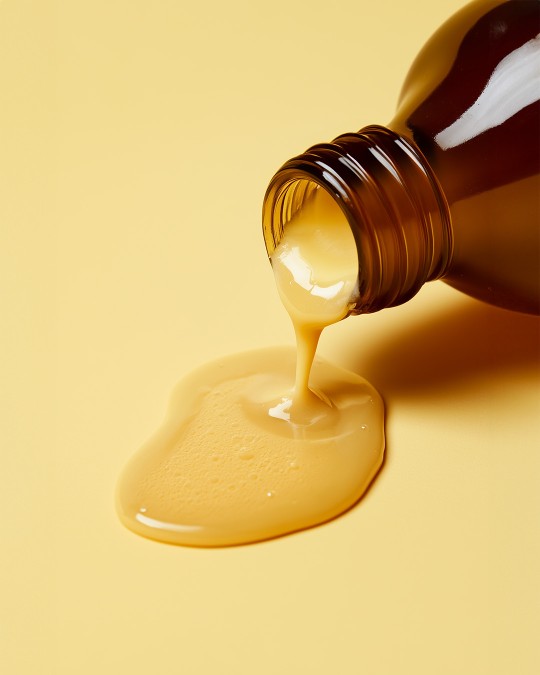
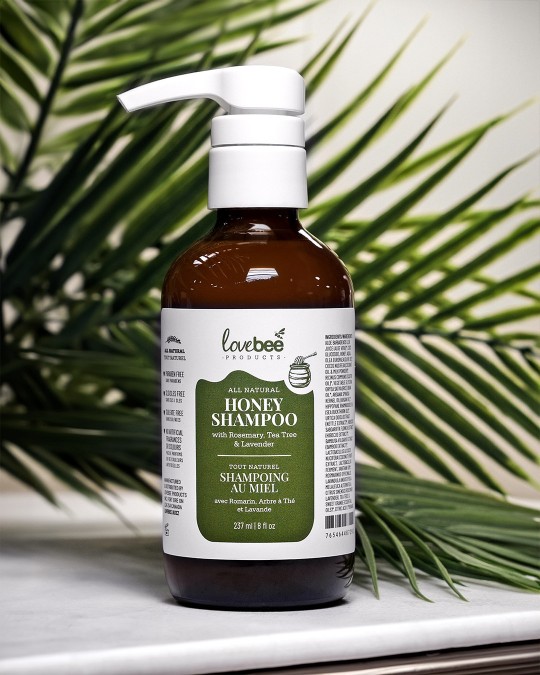
Balms, Salves & Ointments
$12.00
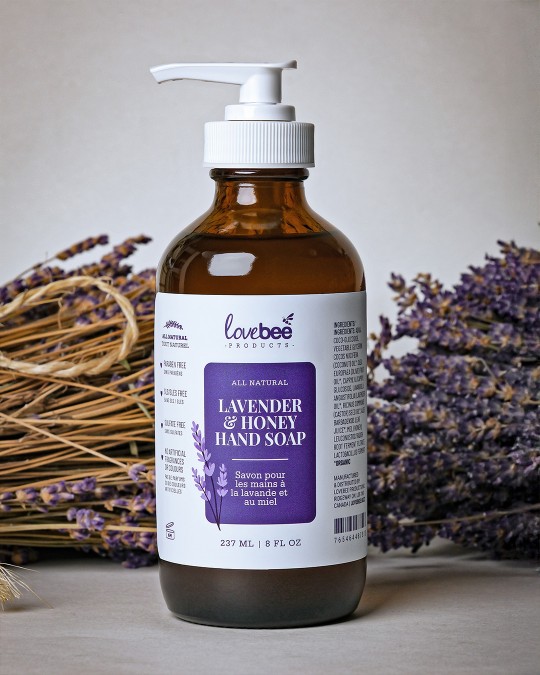
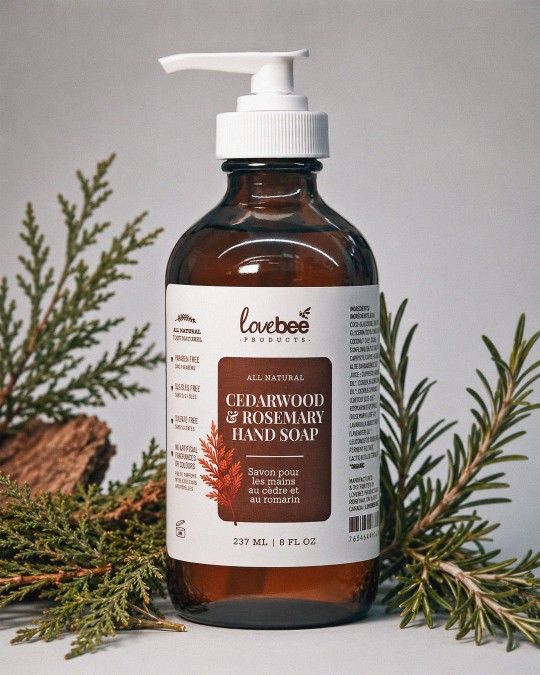
Soaps, Scrubs & Cleansers
$19.00
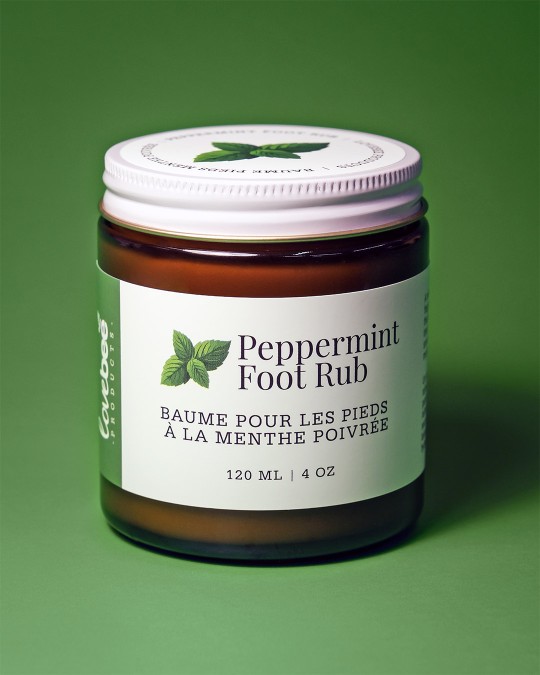
Butters, Creams, Lotions & Whips
From $18.00
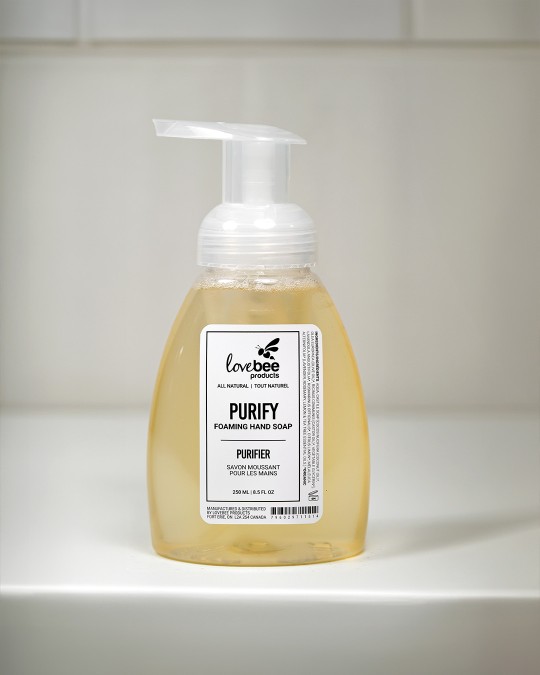

Purely Vegan
$12.00
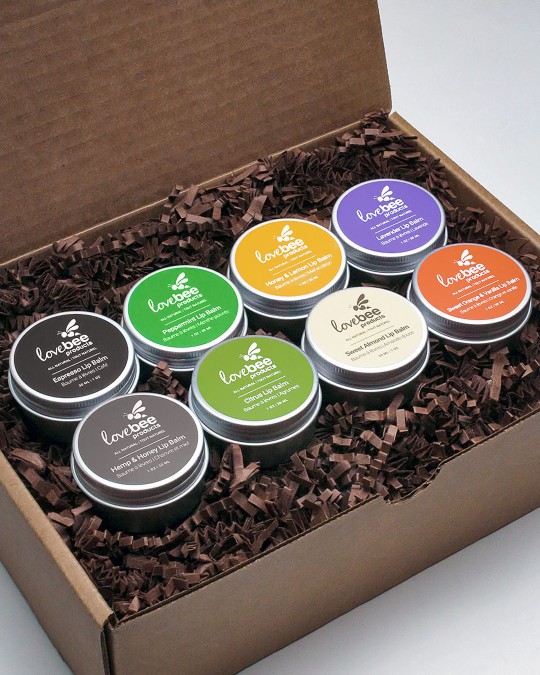
Balms, Salves & Ointments
Original price was: $72.00.$54.00Current price is: $54.00.