
Lavender Essential Oil
INCI Lavandula Angustifolia (Lavender) Oil
Overview
Steam-distilled from the flowering tops of true lavender, and the most-used essential oil in our workshop — known for its soft, semi-sweet scent and a history in bathing that goes back to the Romans.
What it is
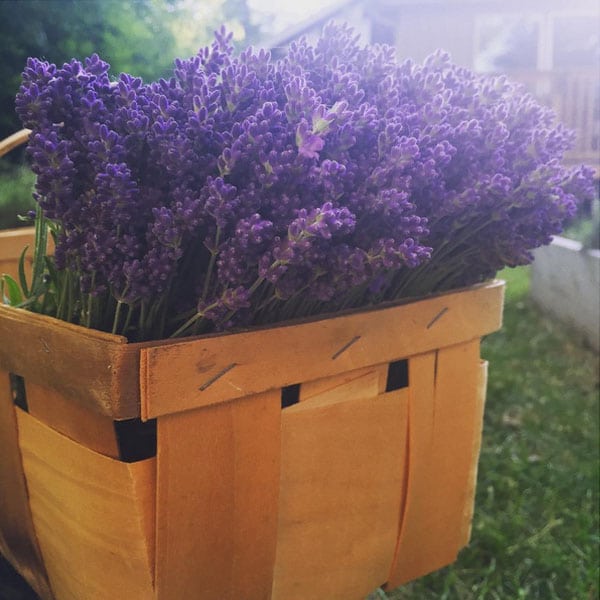
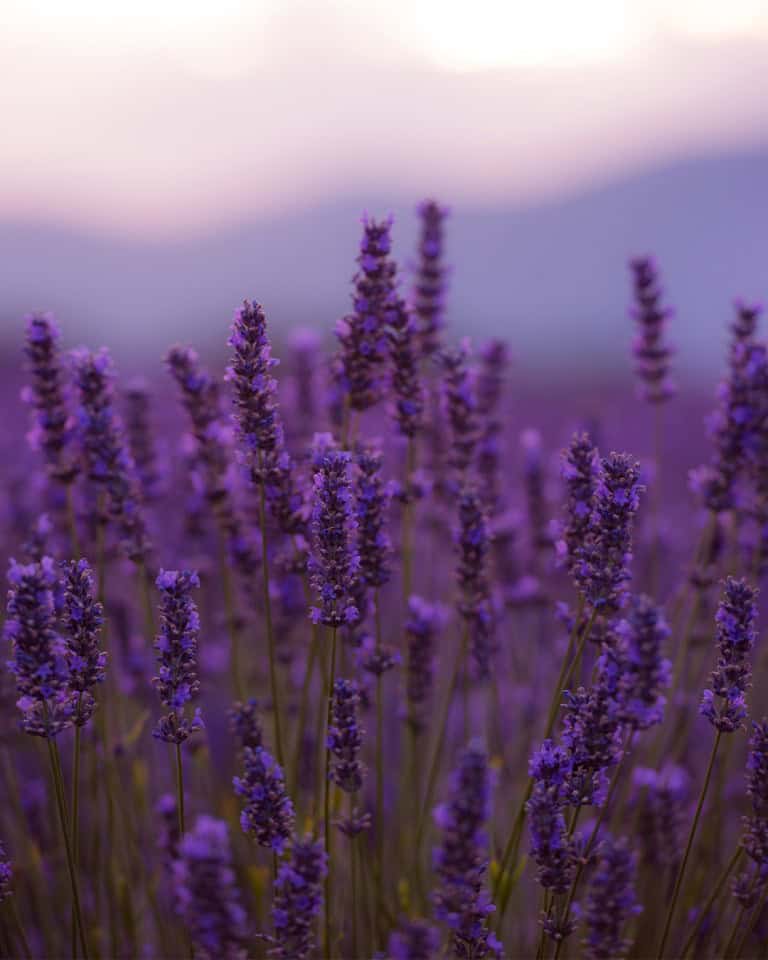
Lavender essential oil is the concentrated aromatic oil drawn out of the flowering tops of the lavender plant. The species we use, Lavandula angustifolia, is often called true lavender or English lavender, and it’s the one most prized in skincare and perfumery. Its scent is rounder and sweeter than its cousins, with far less of the sharp, camphor-like edge you’ll find in spike lavender or lavandin.
That distinction matters more than it sounds. A good deal of what’s sold simply as “lavender oil” is actually lavandin, a hardier hybrid grown for higher yields. It’s a perfectly good oil, but it smells noticeably more medicinal. When a lavender product smells softly floral rather than sharply herbal, true lavender is usually the reason.
Lavender has been associated with washing and bathing for a very long time — the name itself traces back to the Latin lavare, to wash, and the Romans scented their baths and linens with it. It has been a fixture of soap and bath making ever since.
Where it comes from and how it’s made
Lavender is native to the mountainous Mediterranean, and the plants still want what those hillsides offer: full sun, dry feet, and poor stony soil. It’s now cultivated commercially across Bulgaria, France, and Hungary, with smaller growers scattered well beyond — including here in Ontario.
The oil is captured by steam distillation. The flowering tops are harvested at peak bloom, packed into a still, and steam is passed through them. The steam ruptures the plant’s tiny oil glands and carries the aromatic compounds upward, where the vapour is cooled back into liquid. Oil and water separate on their own, and the oil is drawn off the top.
The fragrant water left behind is lavender hydrosol — not a byproduct to pour away, but an ingredient in its own right.
It takes a great deal of plant material to fill a small bottle, which is the plain reason a genuine essential oil costs what it does.
What it does in a formulation
Its most obvious job is scent. Lavender is one of the few botanical aromas that blends agreeably with almost anything — citrus, mint, vanilla, woods, other florals — which makes it a workhorse rather than a soloist. It can carry a blend on its own or quietly round off the edges of one.
Beyond fragrance, it’s best known for its calming, soothing reputation, which is why it has been a mainstay of bath products and bedtime rituals for centuries. Its dominant naturally occurring compounds are linalool and linalyl acetate, and those are the constituents most often pointed to in discussions of lavender’s traditional uses.
Why Lovebee uses it
We reach for lavender more than any other essential oil, and not out of habit. That calming, soothing character is the quality we want running quietly through much of what we make. The scent itself — fragrant and semi-sweet rather than sharp — is one people recognize immediately and settle into without having to think about it.
It’s also the ingredient that best explains how we work. We could use a cheaper lavandin and most people would never name the difference, but they’d feel it. Small batches let us keep choosing the better oil.
Good to know
- Lavender is among the gentler essential oils, but it’s still a concentrate. We always use it diluted within a finished formulation, never neat.
- Linalool, one of its natural components, can be a sensitizer for some people.
- Vegan and entirely plant-derived.
- Store away from heat and direct light. Essential oils keep best in dark glass, and lavender is at its best within a couple of years of distillation.
Common questions
- Is lavender essential oil safe for sensitive skin?
Many people with sensitive skin use it without any trouble, since it’s one of the milder essential oils. That said, mild isn’t the same as inert.
- What's the difference between lavender essential oil and lavender hydrosol?
Both come out of the same distillation. The oil is the concentrated aromatic fraction; the hydrosol is the fragrant water left behind. The hydrosol is far gentler and is used quite differently in a formulation.
- Is lavender essential oil vegan?
Yes. It’s distilled from the flowering tops of the plant, with nothing animal-derived involved at any stage.
- Can I use lavender essential oil during pregnancy?
Guidance on essential oils during pregnancy varies, so we’d point you to your healthcare provider rather than offer a blanket answer here.
Found in these products

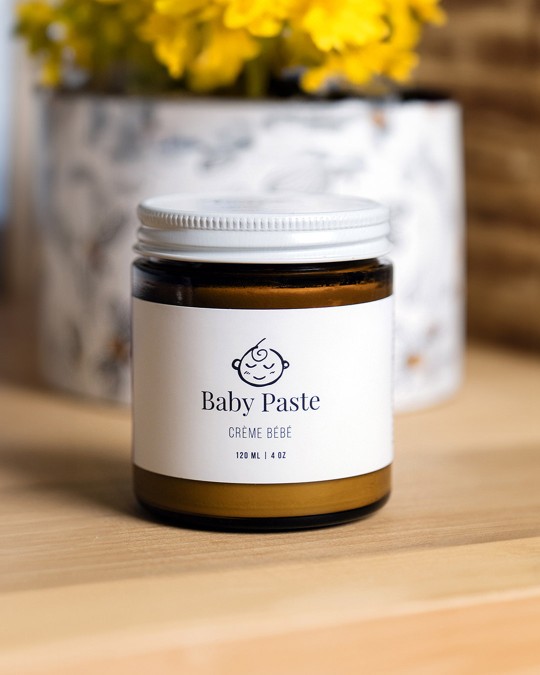
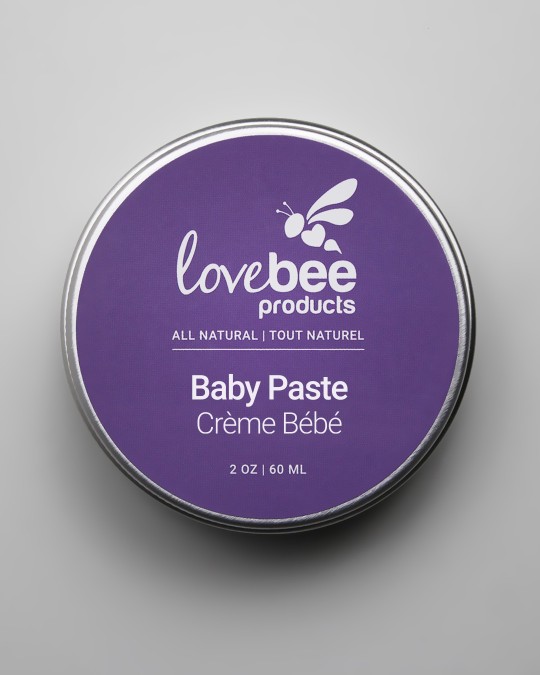
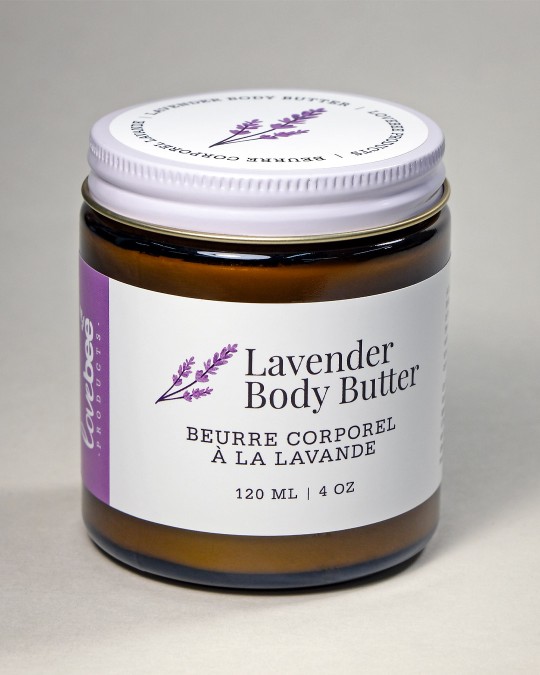
Butters, Creams, Lotions & Whips
From $18.00
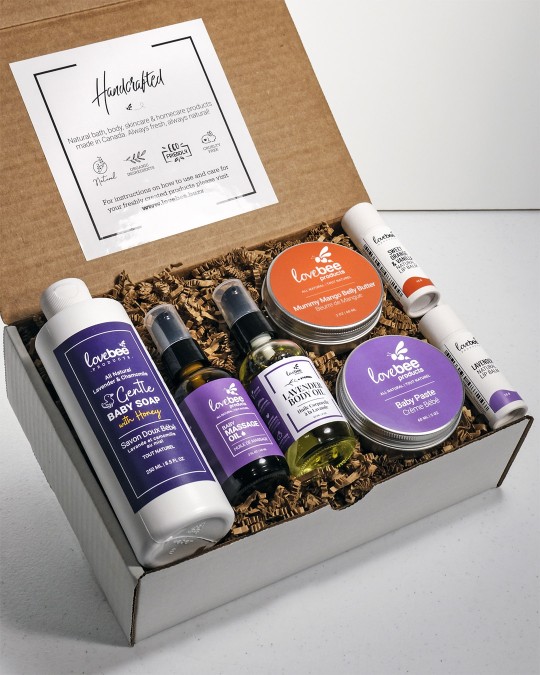
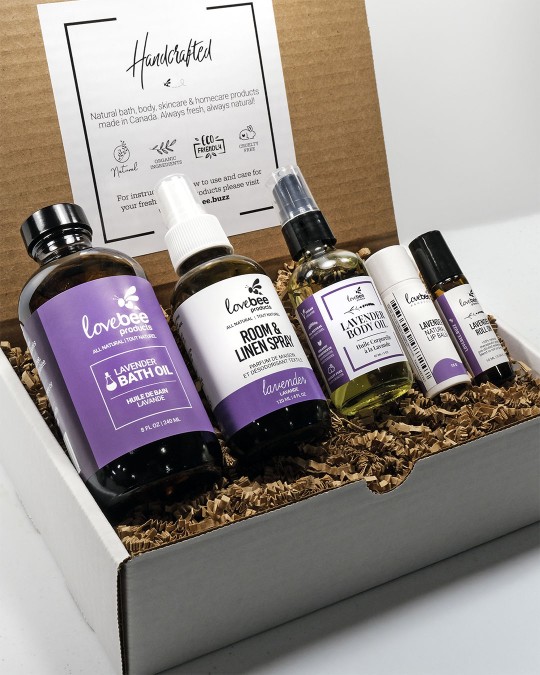
Bundle Gift Boxes
Original price was: $119.00.$89.00Current price is: $89.00.
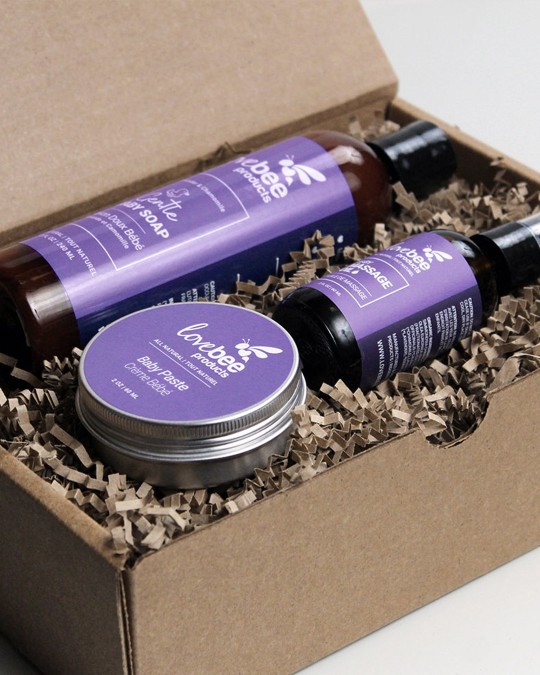
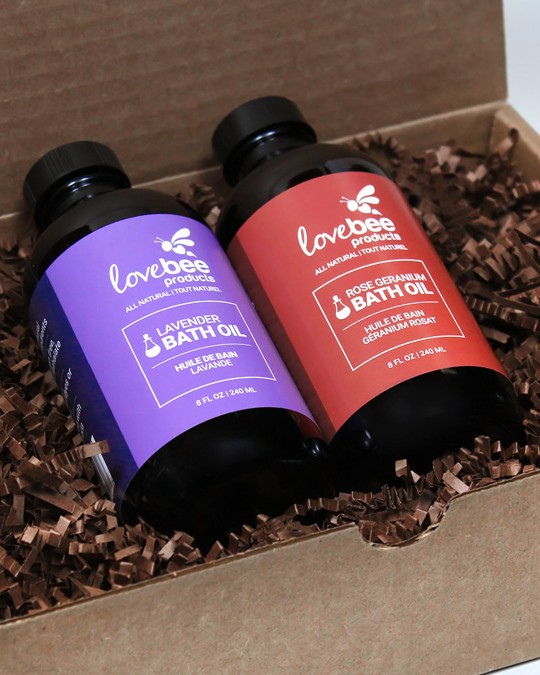
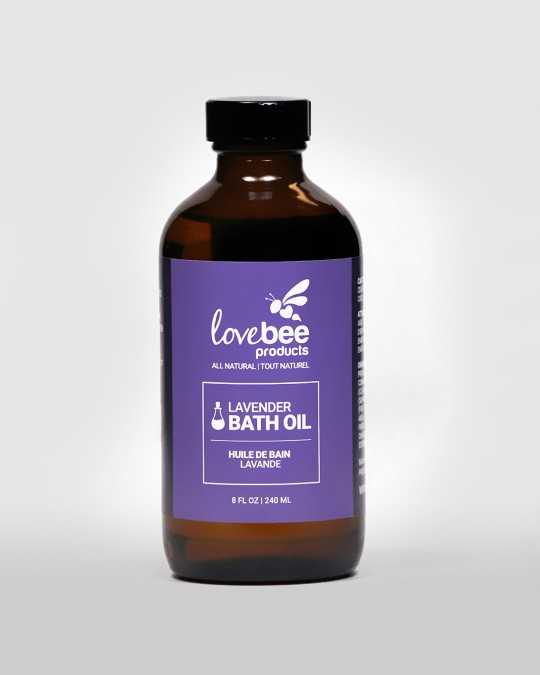
Bundle Gift Boxes
Original price was: $58.00.$44.00Current price is: $44.00.
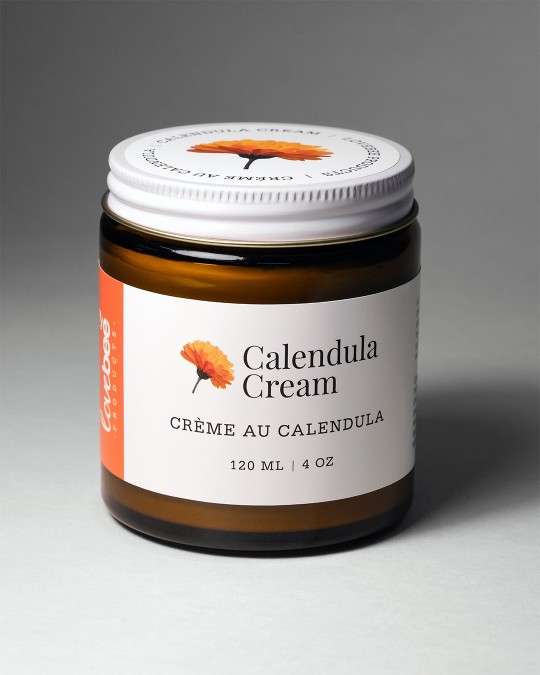
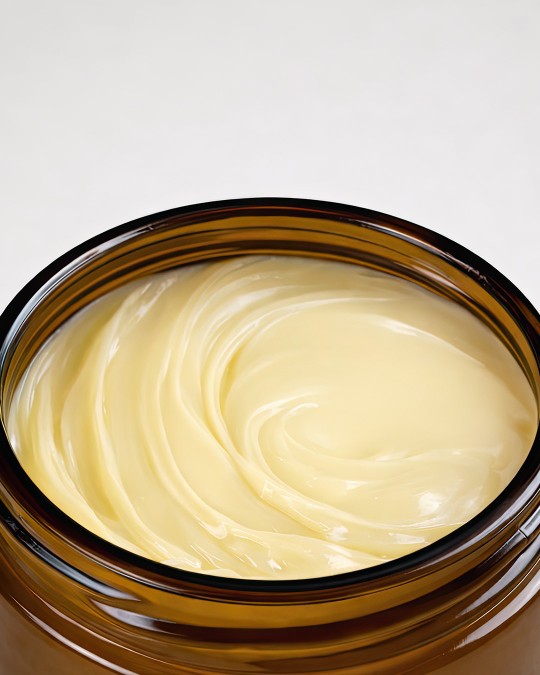
Butters, Creams, Lotions & Whips
From $18.00
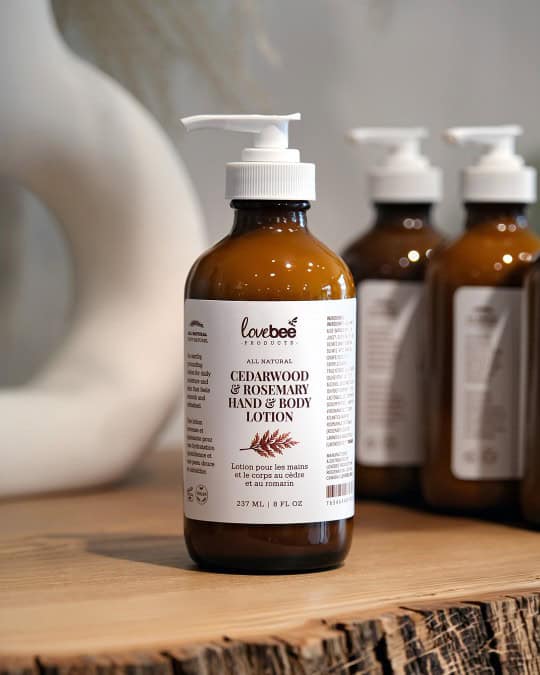
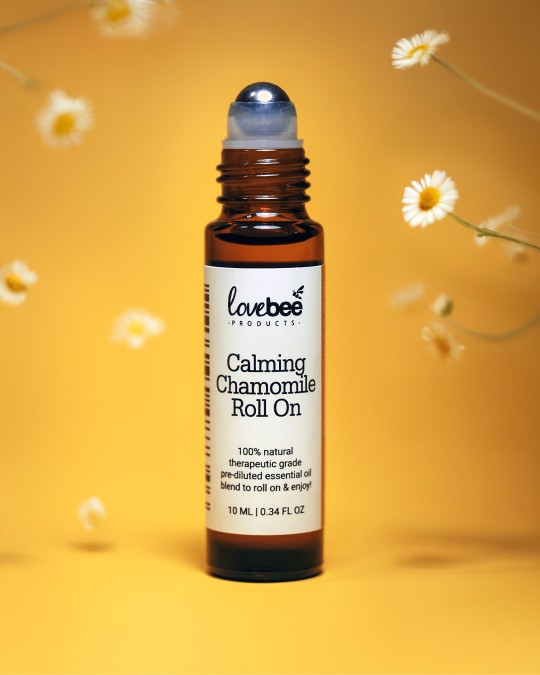
$15.00
Home Care
From $16.00

Soaps, Scrubs & Cleansers
$10.00
Purely Vegan
From $15.00

Butters, Creams, Lotions & Whips
From $18.00
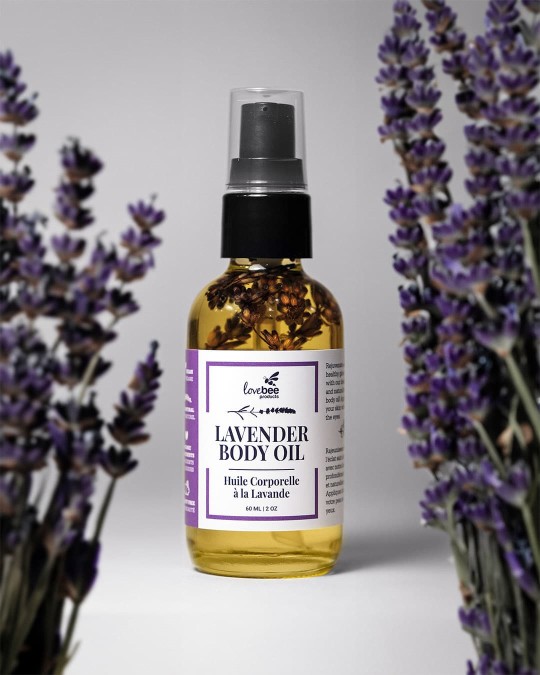
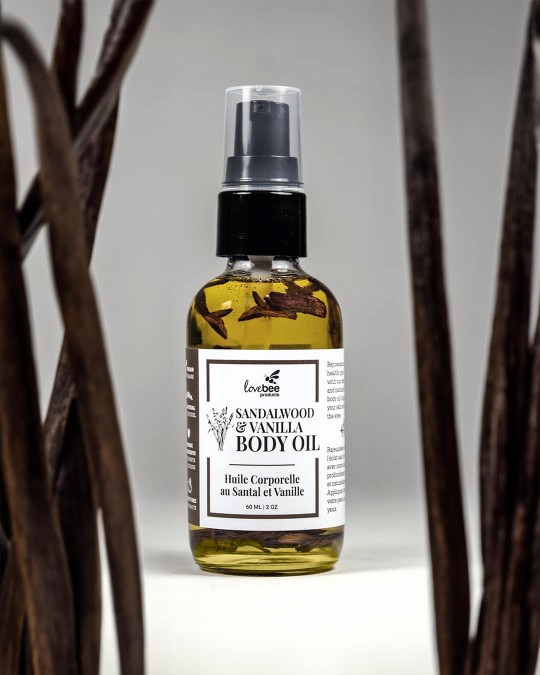
Oils
From $27.00