Beeswax
INCI Beeswax or Cera Alba
Overview
Made by honeybees to build their comb, and harvested from the wax cappings sliced off when honey is taken — the ingredient that gives a balm its body and holds a stick of lip balm together.
What it is
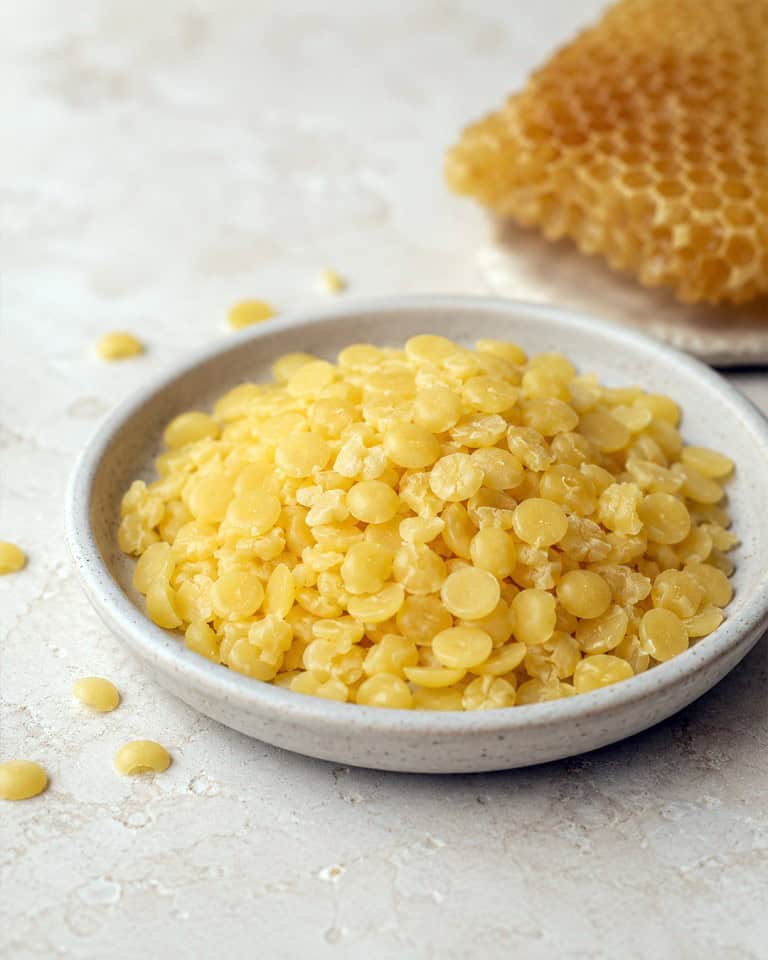
Beeswax is not pressed or extracted from anything. It is secreted by worker bees from a set of glands on the underside of the abdomen, in the middle stretch of their lives, and used to build the comb the colony lives in. It arrives as small pale flakes that the bees chew and work into shape.
Producing it costs the colony a great deal. A bee must eat several times the weight in honey to make a given weight of wax, which is one reason wax has always been the more precious of the two harvests.
Chemically it is unlike a plant oil or butter. Most of it is long-chain esters, with fatty acids, alcohols and hydrocarbons alongside, and it melts far higher than any butter — somewhere around 62 to 65°C. That high melting point is exactly why it works: it stays firm in the jar and in a pocket, then softens against skin rather than melting straight off it.
Where it comes from and how it’s made
Most cosmetic beeswax is a byproduct of honey harvesting rather than something produced on its own. When frames are taken for extraction, the thin wax cappings sealing each cell are sliced off. Those cappings are melted, strained and cast into blocks.
The wax that comes out of this is naturally yellow, and carries a soft honey scent that survives into the finished product. White beeswax is the same material filtered and lightened, either by sunlight and air or by a filtration step, which removes both the colour and most of the smell.
Neither grade is purer than the other in any meaningful sense. The choice is about whether you want the colour and scent of honey in what you are making.
What it does in a formulation
Beeswax is a structural ingredient. In a balm or a salve it sets the firmness: more wax gives a harder stick, less gives a softer one, and the whole texture of a lip balm is decided by that ratio.
It also forms a breathable film on the surface of the skin, which is why it has been the backbone of protective balms for as long as anyone has been making them. Unlike a fully occlusive material it does not seal the skin completely.
In an emulsion it helps to thicken and stabilise, giving body to a cream that would otherwise be thin.
The one thing it is not is vegan. Candelilla wax is the usual plant-based alternative, though it behaves differently and is not a straight substitution.
Why Lovebee uses it
Beyond being a part of our business name, beeswax is a go-to ingredient for us, and exists in most of what we make. We use it because nothing else does the same job — it gives a balm structure without making it greasy, and it brings the faint honey scent that people recognise before they can name it.
It also connects the work to where it comes from. Beeswax, honey and propolis all arrive from the same source, and using all three feels like the right way to treat what a hive produces.
Good to know
- Not purely vegan. While it doesn’t contain bees, beeswax is often considered an animal product as it is made by bees.
- Naturally yellow with a light honey scent. White beeswax is the same wax with the colour and most of the scent removed.
- Melts at around 62 to 65°C, far higher than any butter or oil, which is what keeps a balm firm in a warm pocket.
- Very stable. Beeswax keeps for years and has been recovered intact from tombs thousands of years old.
- Candelilla wax is the plant-based alternative for anyone avoiding animal products.
Common questions
- Is beeswax vegan?
No. It is produced by honeybees, so any product containing it is not vegan. Candelilla wax is the usual plant-based alternative.
- Does using beeswax harm bees?
Beeswax is generally taken as a byproduct of honey harvesting, from the cappings sliced off the comb during extraction rather than from the comb the colony lives in.
- Will beeswax clog pores?
Beeswax sits on the surface and forms a breathable film rather than a complete seal. It is generally considered low risk.
- I've noticed that beeswax and honey are not listed as organic, why is that?
Bees can travel several kilometers from their hive while foraging, visiting countless flowers along the way. Since beekeepers cannot control every plant, farm, roadside, or property within that entire area, it is extremely difficult to guarantee that the bees have only collected nectar and pollen from certified organic land.
For that reason, our beeswax and honey are not labelled as organic — it’s simply a policy of honesty and transparency. This does not mean these ingredients are synthetic, heavily processed, or of lower quality. We carefully source pure, natural beeswax and honey from trusted suppliers and choose them for their quality, integrity, and the benefits they bring to our products.
Found in these products
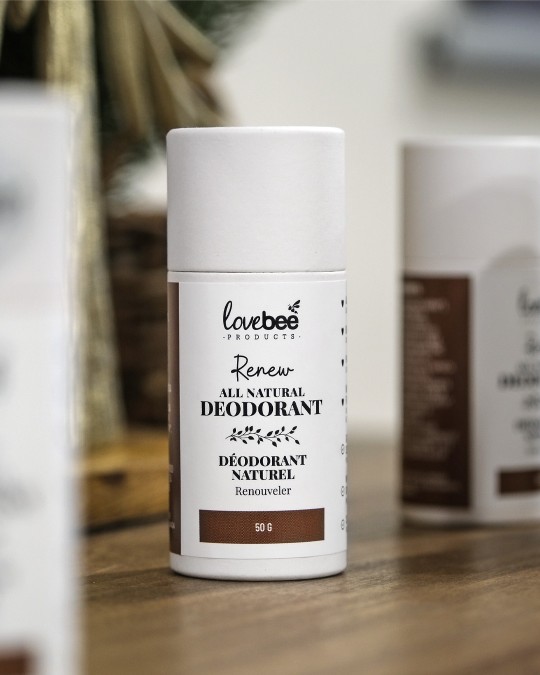
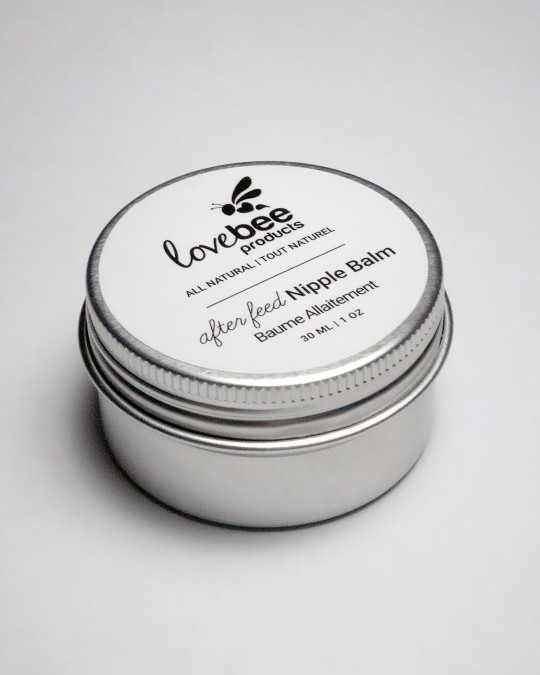
SOLD OUT!
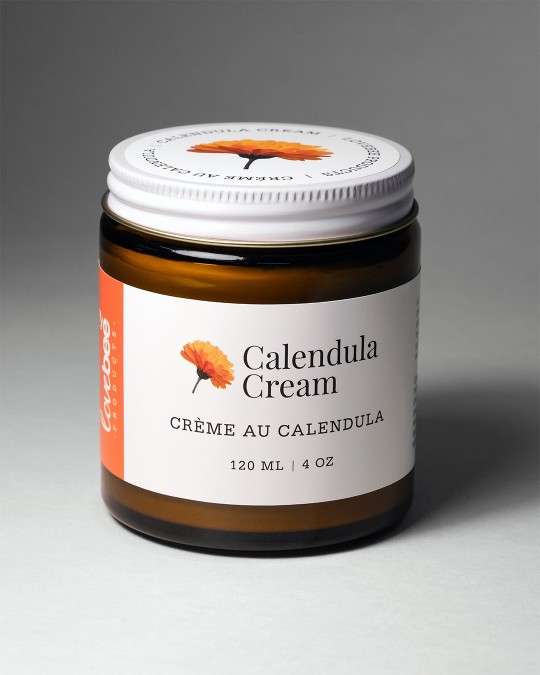
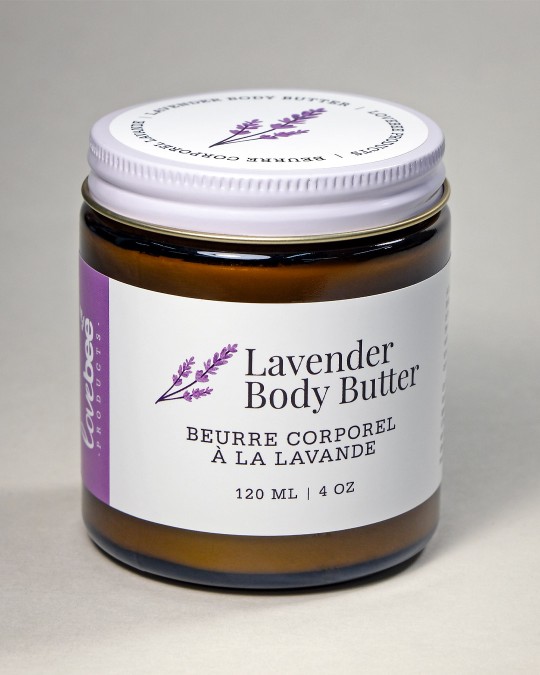
Butters, Creams, Lotions & Whips
From $18.00
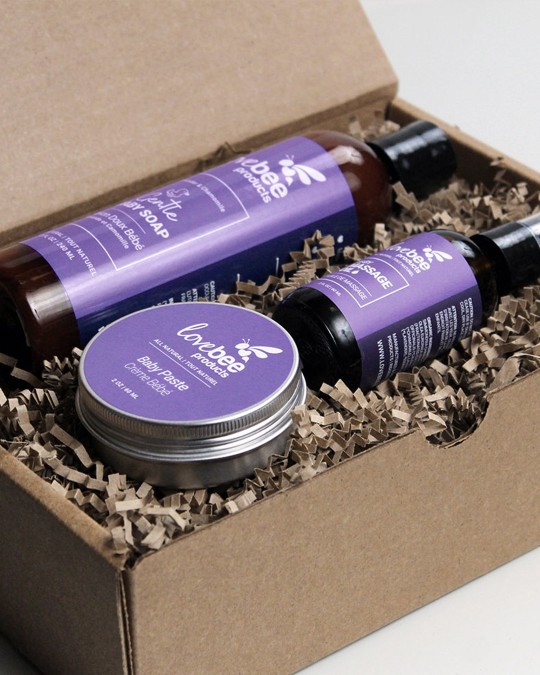
Bundle Gift Boxes
Original price was: $119.00.$89.00Current price is: $89.00.
Butters, Creams, Lotions & Whips
From $18.00
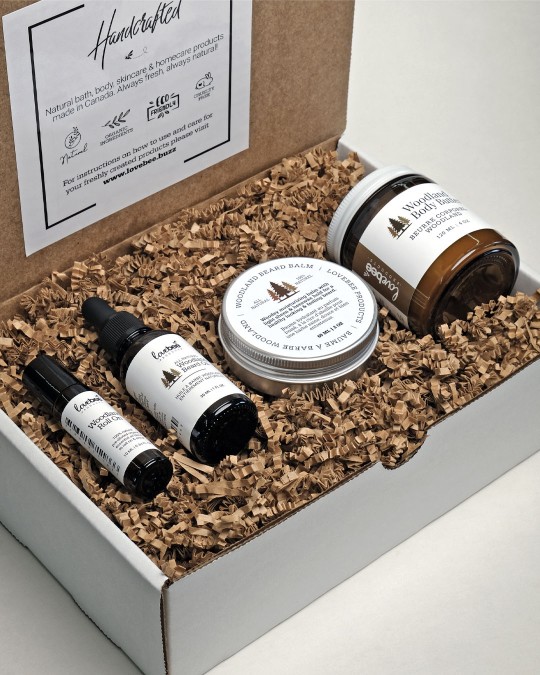
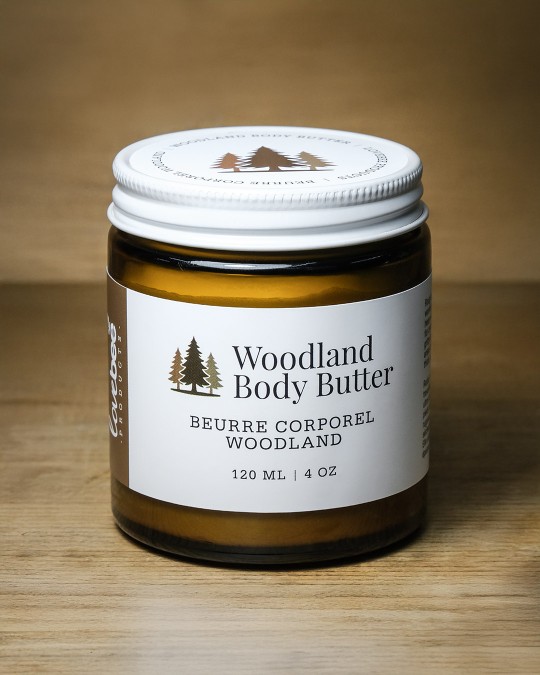
Bundle Gift Boxes
Original price was: $76.00.$57.00Current price is: $57.00.
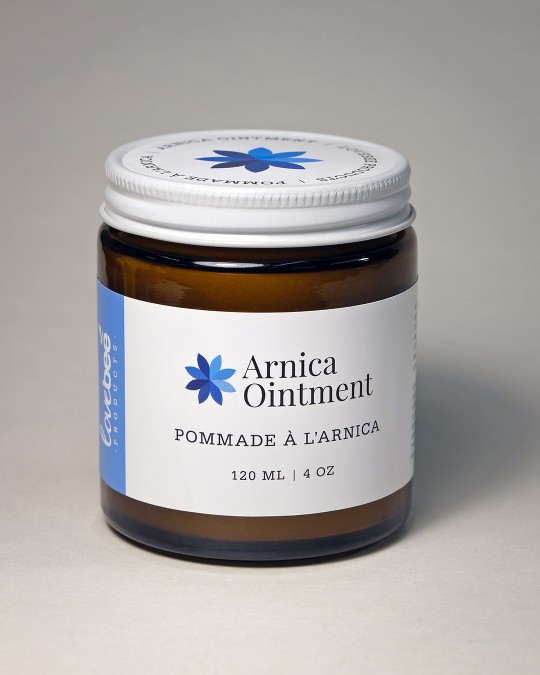
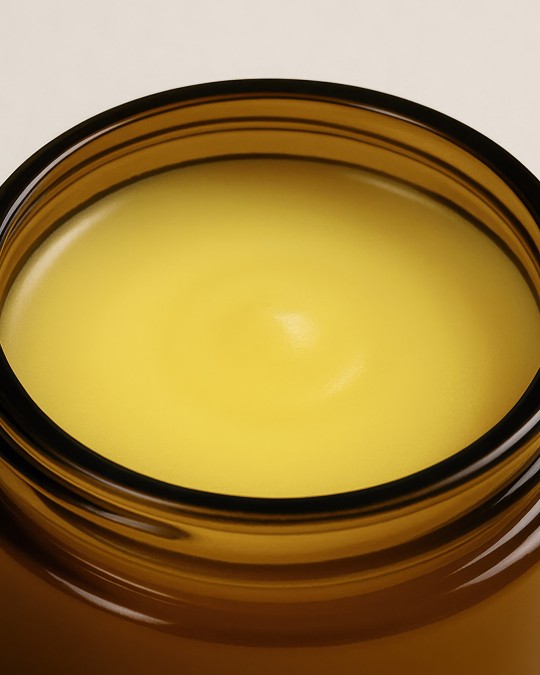
Balms, Salves & Ointments
$12.00
Butters, Creams, Lotions & Whips
From $18.00
Balms, Salves & Ointments
Original price was: $72.00.$54.00Current price is: $54.00.