Shea Butter
INCI Butyrospermum Parkii (Shea) Butter
Overview
Pressed and kneaded from the nuts of the West African shea tree, largely by hand and largely by women, it's the butter that gives our body butters their richness.
What it is
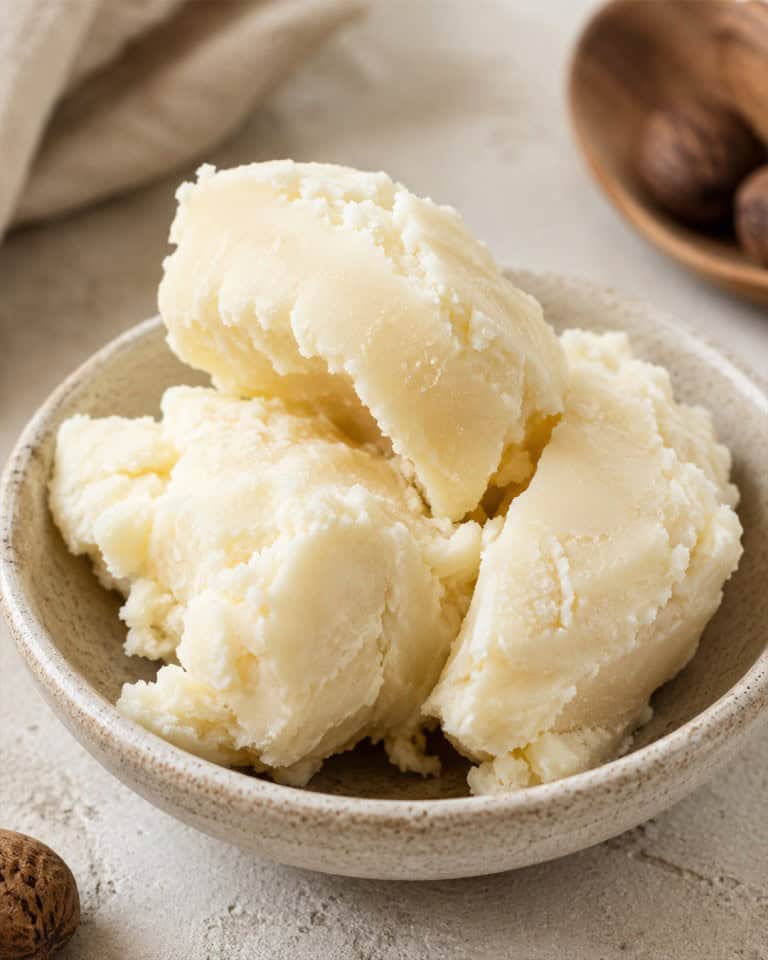
Shea butter is the fat from the nut of the shea tree, which grows across a broad band of savannah south of the Sahara. At room temperature it is a soft, pale solid, and it melts at close to body temperature — which is why it feels firm in the jar and turns to oil the moment it is worked into skin.
Its makeup is unusual among plant butters. Alongside the oleic and stearic acids that make up most of it, shea carries an unusually large unsaponifiable fraction: the part that will not turn into soap, made up of triterpene alcohols and cinnamic acid esters. In most oils that fraction is barely one percent. In shea it can reach ten. That fraction is the reason shea behaves differently from a butter that is chemically similar on paper.
There is a small piece of botanical history in the INCI name. The tree was reclassified some years ago as Vitellaria paradoxa, but the cosmetic name kept the older Butyrospermum parkii, which is why labels still carry a binomial that botanists have retired.
Where it comes from and how it’s made
Shea grows wild rather than on plantations, across Ghana, Burkina Faso, Nigeria, Mali and Côte d’Ivoire. The trees take a long time to bear, which is part of why the harvest still follows the rhythm it always has.
Traditional processing is long and physical, and is done overwhelmingly by women. The fallen nuts are gathered, dried, cracked, roasted and ground to a paste. The paste is then kneaded with water until the fat separates, and the fat is boiled and skimmed. It is demanding work, and in much of the region it is one of the few sources of independent income for the women who do it — which is why shea is sometimes called women’s gold.
Unrefined shea keeps the colour and the nutty smell of that process: ivory to pale yellow, with a distinctive scent. Refined shea has been filtered and deodorised into something white and almost odourless.
What it does in a formulation
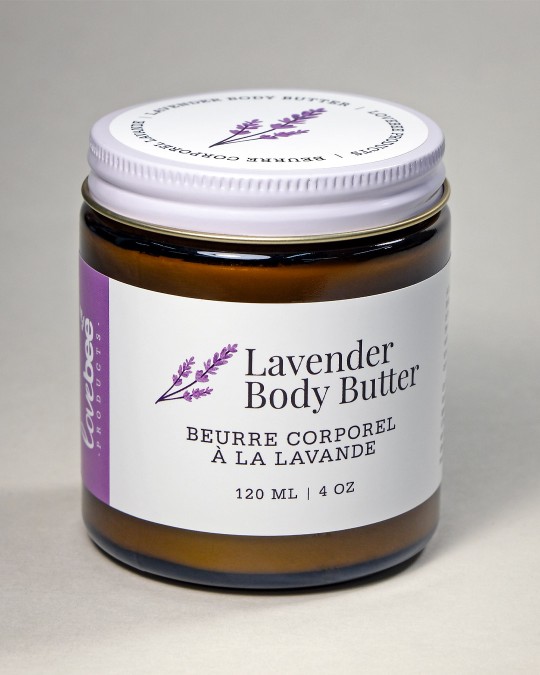
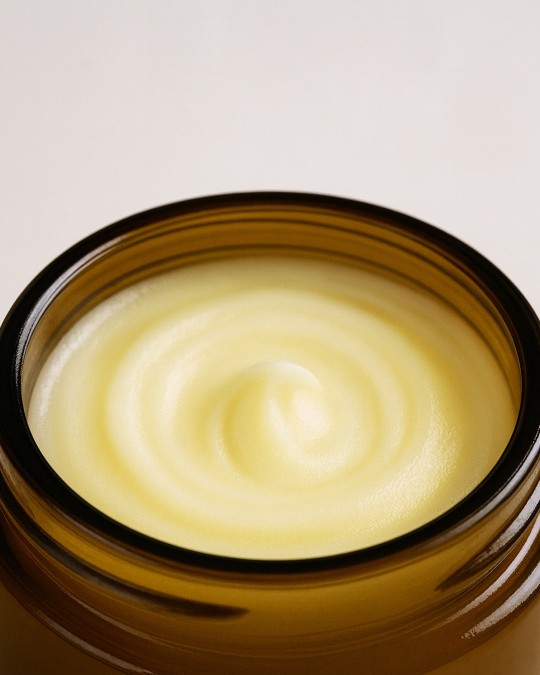
Shea is what gives a body butter its substance. It melts on contact, spreads without dragging, and leaves a soft finish rather than a slick one.
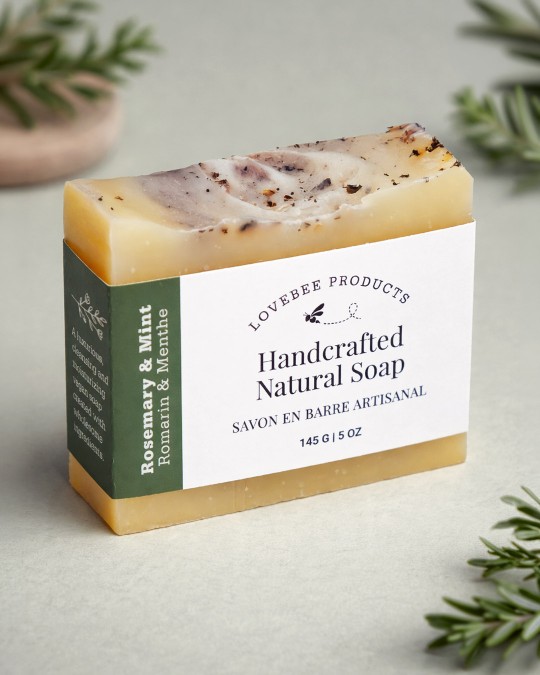
It brings firmness to a balm without the hardness that wax gives, so a formula using both can be tuned between them. In soap it contributes a stable, conditioning bar, and some of it is usually left unsaponified so that the butter itself survives into the finished bar.
Its one quirk is texture, and it is worth understanding rather than hiding. Shea contains enough stearic acid to crystallise if it cools slowly, which produces a grainy feel. It is entirely harmless and the butter is unchanged, but it is the reason shea products are cooled quickly rather than left to set on their own.
Why Lovebee uses it
Shea is the butter we reach for when we want something to feel generous. It has a richness that coconut oil does not, and it stays soft enough to work with in a way cocoa butter does not.
We use unrefined shea where the scent can sit comfortably with the rest of a formula, because refining takes out more than the smell. The nutty, slightly smoky character of the unrefined butter is a sign of how little has been done to it.
Good to know
- Melts at around 32 to 35°C, which is close to skin temperature.
- Unrefined shea has a natural nutty scent and an ivory to yellow colour. Both are normal, and both vary between batches and harvests.
- Graininess is a texture change, not spoilage. It happens when shea cools slowly and the stearic acid crystallises. Warming it gently and cooling it quickly resolves it.
- Vegan and entirely plant-derived.
- Keeps well — around two years stored cool and out of direct light.
Common questions
- Why has my shea butter product gone grainy?
Shea crystallises if it cools slowly, which gives a slightly gritty feel. Nothing has spoiled and nothing has been lost. Warming it gently in your hands is usually enough, and it melts smoothly on skin regardless.
- Is shea butter safe if I have a nut allergy?
Shea is botanically a tree nut, so it is a reasonable question to ask. The butter contains very little of the protein that allergic reactions respond to, and reactions are rarely reported. If you have a serious nut allergy, ask your doctor rather than relying on general information.
- What is the difference between refined and unrefined shea?
Unrefined shea keeps its natural colour and nutty scent. Refined shea has been filtered and deodorised into something white and neutral. Refining also removes some of the unsaponifiable fraction that makes shea distinctive.
- Is shea butter vegan?
Yes. It comes from the nut of the shea tree, with nothing animal-derived involved.
Found in these products
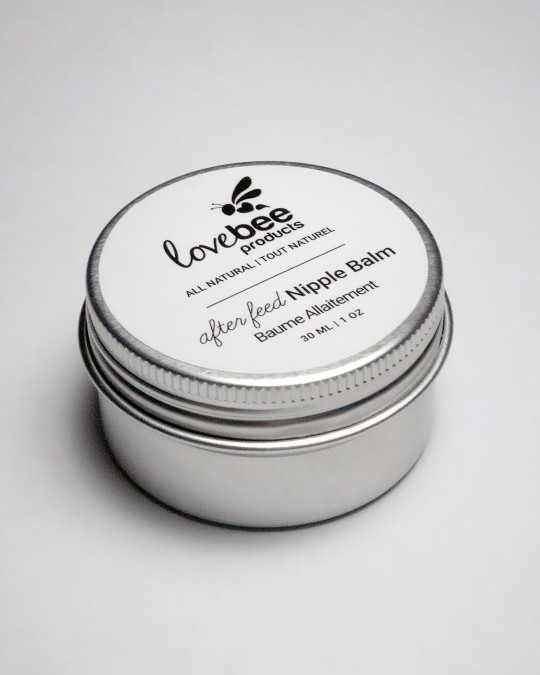
SOLD OUT!
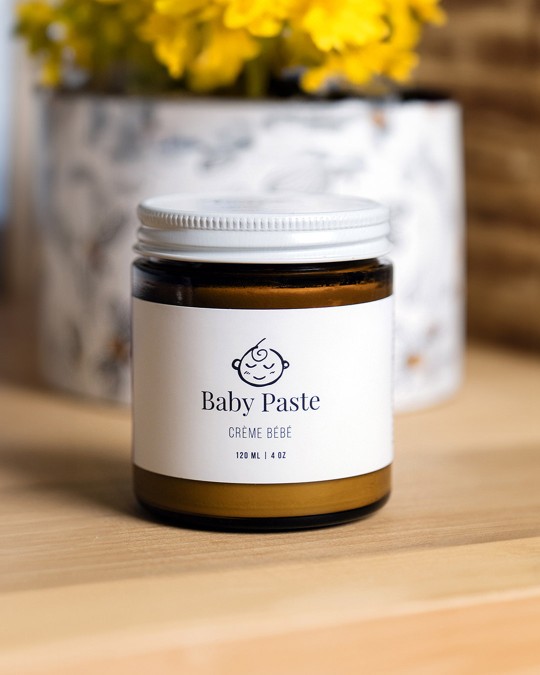
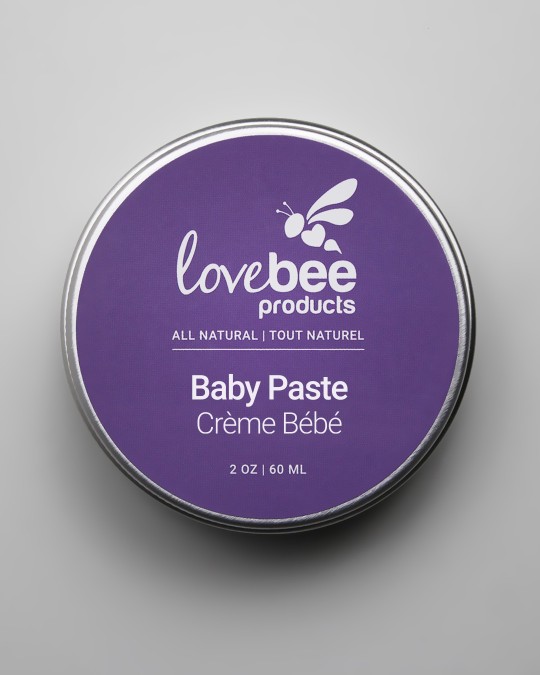
Butters, Creams, Lotions & Whips
From $18.00
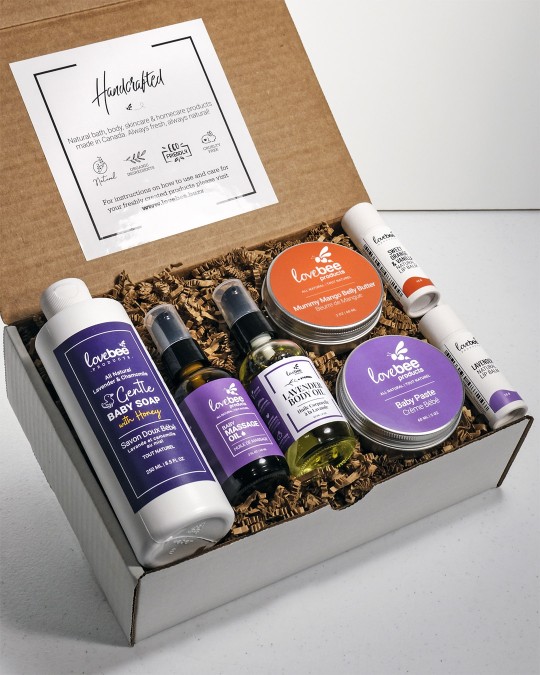
Bundle Gift Boxes
Original price was: $119.00.$89.00Current price is: $89.00.
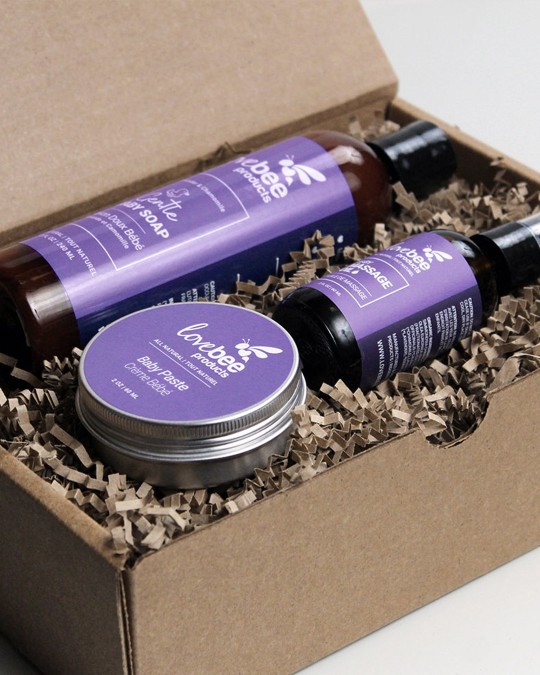
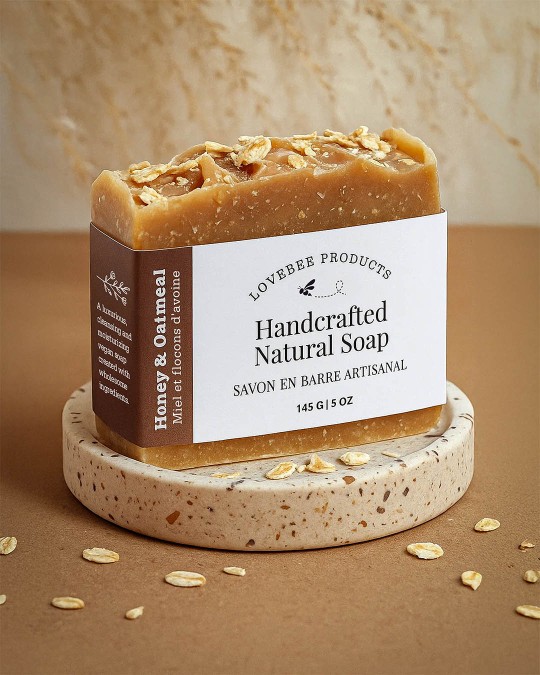
Soaps, Scrubs & Cleansers
$10.00
Bundle Gift Boxes
Original price was: $76.00.$57.00Current price is: $57.00.
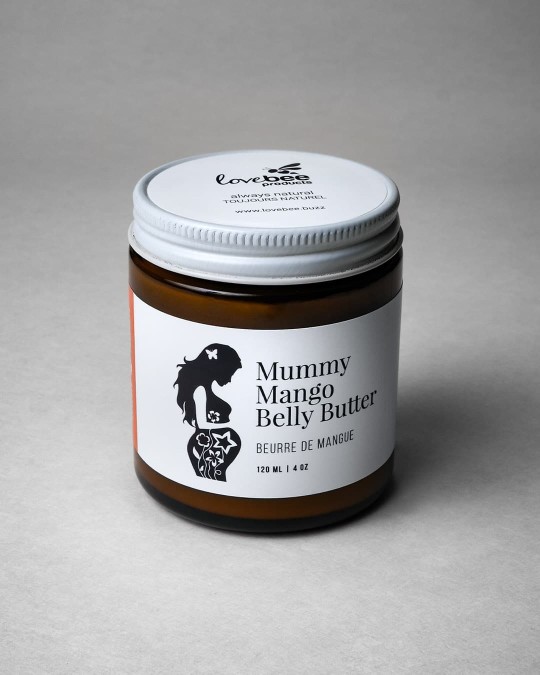
Butters, Creams, Lotions & Whips
From $18.00
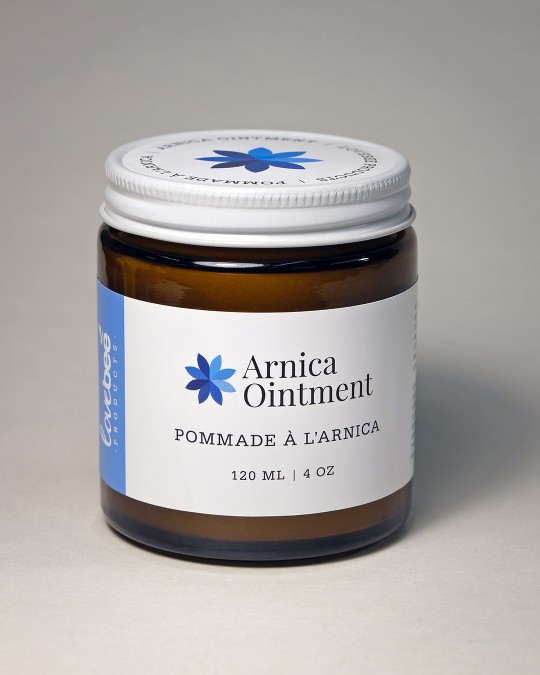
Balms, Salves & Ointments
$12.00
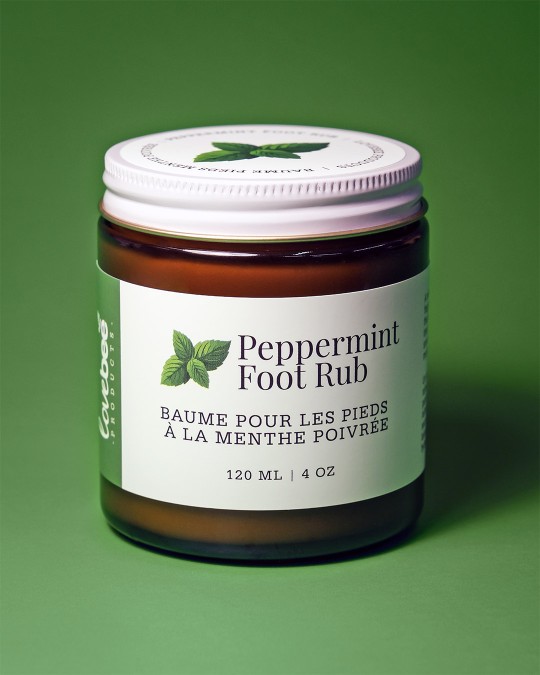
Butters, Creams, Lotions & Whips
From $18.00
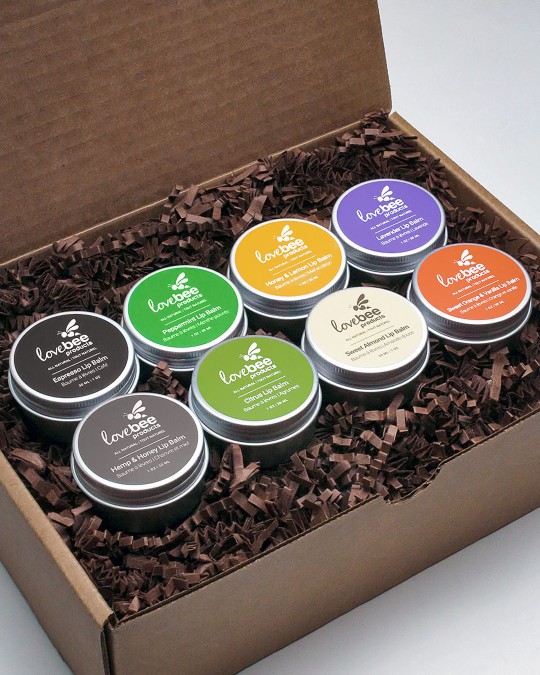
Balms, Salves & Ointments
Original price was: $72.00.$54.00Current price is: $54.00.